Vacuum Dehydration Transformer Oil: Process, Benefits & Cost Guide
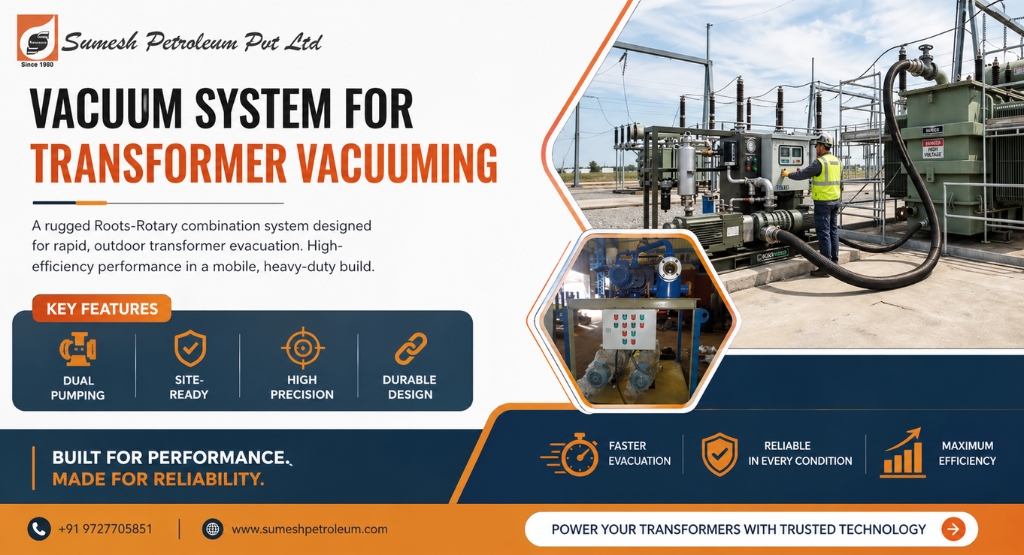
Vacuum Dehydration Transformer Oil: Process, Benefits & Cost Factors
Moisture is one of the biggest hidden enemies inside a transformer. It slowly reduces insulation strength, increases risk, and shortens equipment life—often without obvious warning signs.
That’s where vacuum dehydration transformer oil treatment becomes critical. It doesn’t just clean oil—it restores its performance and protects your entire electrical system.
Let’s break down how it works, why it matters, and what it costs in real-world applications.
What is Vacuum Dehydration of Transformer Oil?
Vacuum dehydration transformer oil is a process that removes moisture, gases, and volatile contaminants from transformer oil using vacuum pressure and controlled heating.
Under vacuum conditions, water boils at a lower temperature, allowing safe and effective moisture removal without damaging the oil.
Vacuum dehydration is a process that removes dissolved water and gases from transformer oil using vacuum and heat, improving insulation strength and extending transformer life.
Why is Moisture Removal So Important?
Even a small amount of water can significantly reduce dielectric strength.
Common causes of moisture contamination:
-
Aging insulation paper
-
Oil oxidation
-
Environmental humidity
-
Poor sealing or maintenance
Impact on transformers:
-
Reduced insulation resistance
-
Increased risk of failure
-
Sludge formation
-
Overheating issues
Many industries only realize the issue after repeated breakdowns—when in reality, early dehydration could have prevented costly downtime.
How Does the Vacuum Dehydration Process Work?
The process is simple in concept but powerful in execution.
Step-by-step process:
-
Heating the oil
Oil is heated to reduce viscosity and release trapped moisture. -
Vacuum chamber exposure
Oil enters a vacuum chamber where pressure drops. -
Moisture evaporation
Water evaporates at lower temperature under vacuum. -
Gas removal
Dissolved gases are extracted simultaneously. -
Clean oil output
Dry, degassed oil is recirculated back into the transformer.
Vacuum dehydration works by heating oil and exposing it to low pressure, causing moisture and gases to evaporate and be removed efficiently.
Vacuum Dehydration vs Filtration: What’s the Difference?
Many users confuse filtration with dehydration, but they serve different purposes.
Oil Dehydration vs Filtration
|
Factor |
Filtration |
Vacuum Dehydration |
|---|---|---|
|
Removes particles |
Yes |
Yes |
|
Removes moisture |
No (limited) |
Yes (high efficiency) |
|
Removes gases |
No |
Yes |
|
Improves dielectric strength |
Slightly |
Significantly |
Filtration removes solid impurities, while vacuum dehydration removes moisture and gases, making it essential for restoring transformer oil performance.
Key Benefits of Vacuum Dehydration Transformer Oil
1. Restores Dielectric Strength
Dry oil performs better under high voltage stress.
2. Extends Transformer Life
Reduces insulation degradation and aging.
3. Prevents Unexpected Failures
Minimizes breakdown risks caused by moisture.
4. Improves Operational Efficiency
Stable performance leads to fewer interruptions.
5. Cost-Effective Maintenance
Avoids expensive transformer replacement.
Where is Vacuum Dehydration Commonly Used?
-
Power plants
-
Industrial manufacturing units
-
Transmission and distribution networks
-
Renewable energy setups
A manufacturing plant facing frequent transformer tripping reduced failures significantly after implementing routine vacuum dehydration cycles.
Vacuum Dehydration Plant Price: What Affects the Cost?
The vacuum dehydration plant price depends on multiple practical factors rather than just machine size.
Key cost factors:
-
Processing capacity (LPH – liters per hour)
-
Automation level
-
Heating system design
-
Vacuum pump quality
-
Mobility (skid-mounted or portable)
-
Filtration stages included
Vacuum dehydration plant price depends on capacity, automation, vacuum efficiency, and build quality, with higher-end systems offering better performance and durability.
When Should You Consider Vacuum Dehydration?
Look for these warning signs:
-
Reduced breakdown voltage (BDV)
-
High moisture content in oil tests
-
Transformer overheating
-
Sludge formation
-
Aging equipment
If these signs appear, filtration alone won’t solve the issue—you need dehydration.
Why Choose Sumesh Petroleum Pvt Ltd?
At Sumesh Petroleum Pvt Ltd, we don’t just provide oil treatment—we provide reliability.
What makes us different:
-
Proven expertise in transformer oil treatment
-
Advanced vacuum dehydration systems
-
Consistent quality and performance
-
Strong after-sales support
-
Customized solutions for industries
We focus on extending transformer life while reducing operational risks.
FAQs
1. What is vacuum dehydration transformer oil used for?
It is used to remove moisture and gases from transformer oil, improving insulation performance and preventing electrical failures.
2. How often should transformer oil be dehydrated?
It depends on operating conditions, but regular testing helps determine when moisture levels become critical.
3. Is filtration enough for transformer oil maintenance?
No. Filtration removes particles, but moisture requires vacuum dehydration for effective removal.
4. What is the difference between dehydration and regeneration?
Dehydration removes water and gases, while regeneration also restores oil chemical properties and removes sludge.
5. Does vacuum dehydration increase transformer life?
Yes. By removing moisture, it reduces insulation stress and significantly extends transformer lifespan.
Don’t wait for transformer failure to take action.
Get expert vacuum dehydration solutions from Sumesh Petroleum Pvt Ltd.
Improve performance, reduce downtime, and extend equipment life.
Contact us today for a consultation or request a customized quote tailored to your transformer needs.

